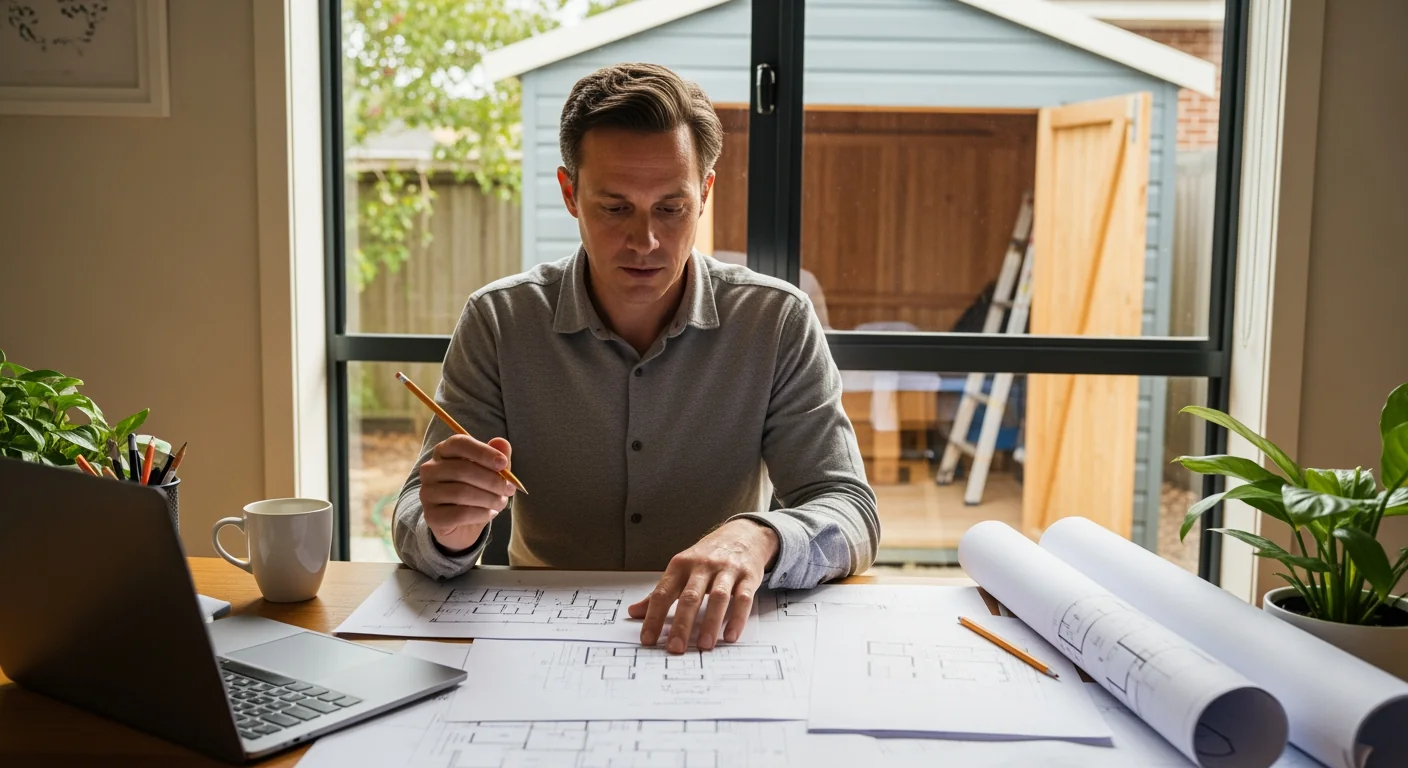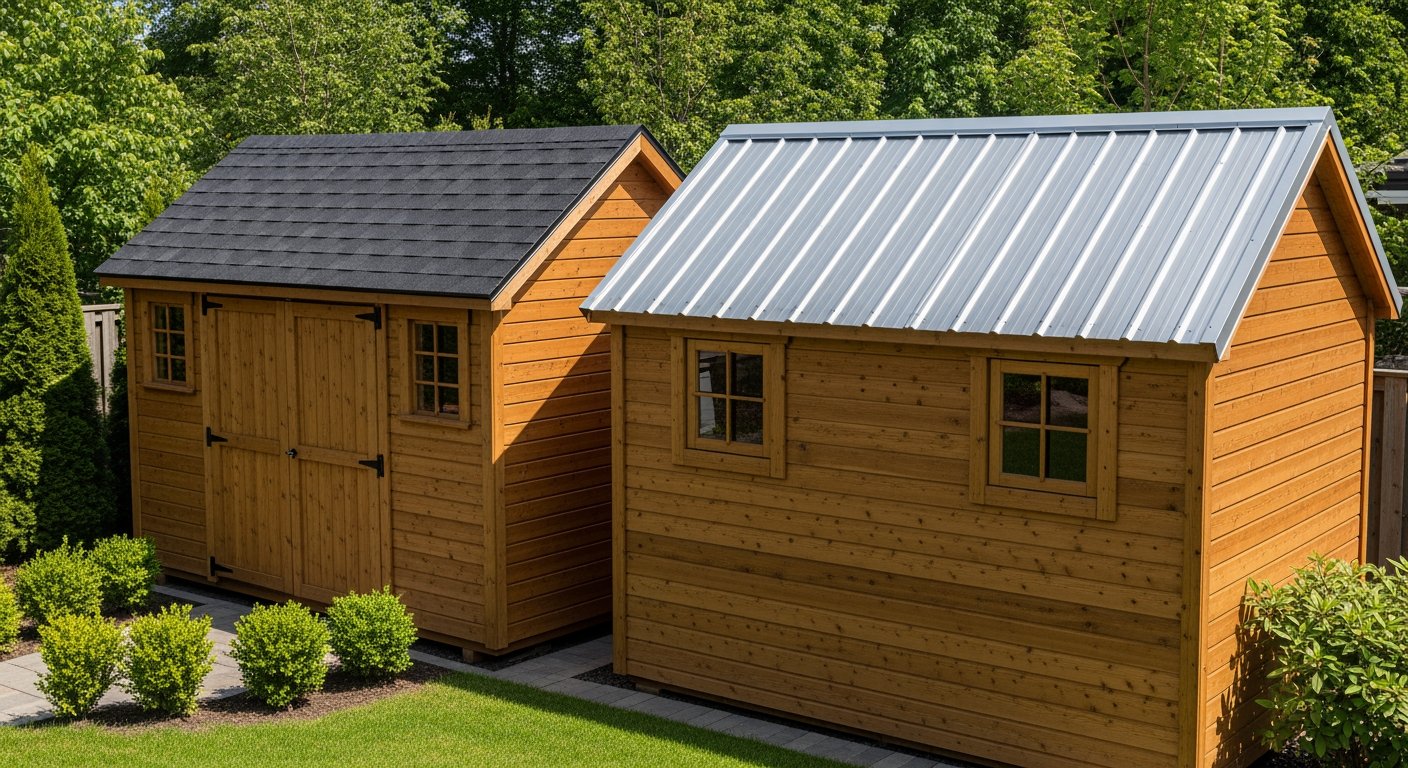
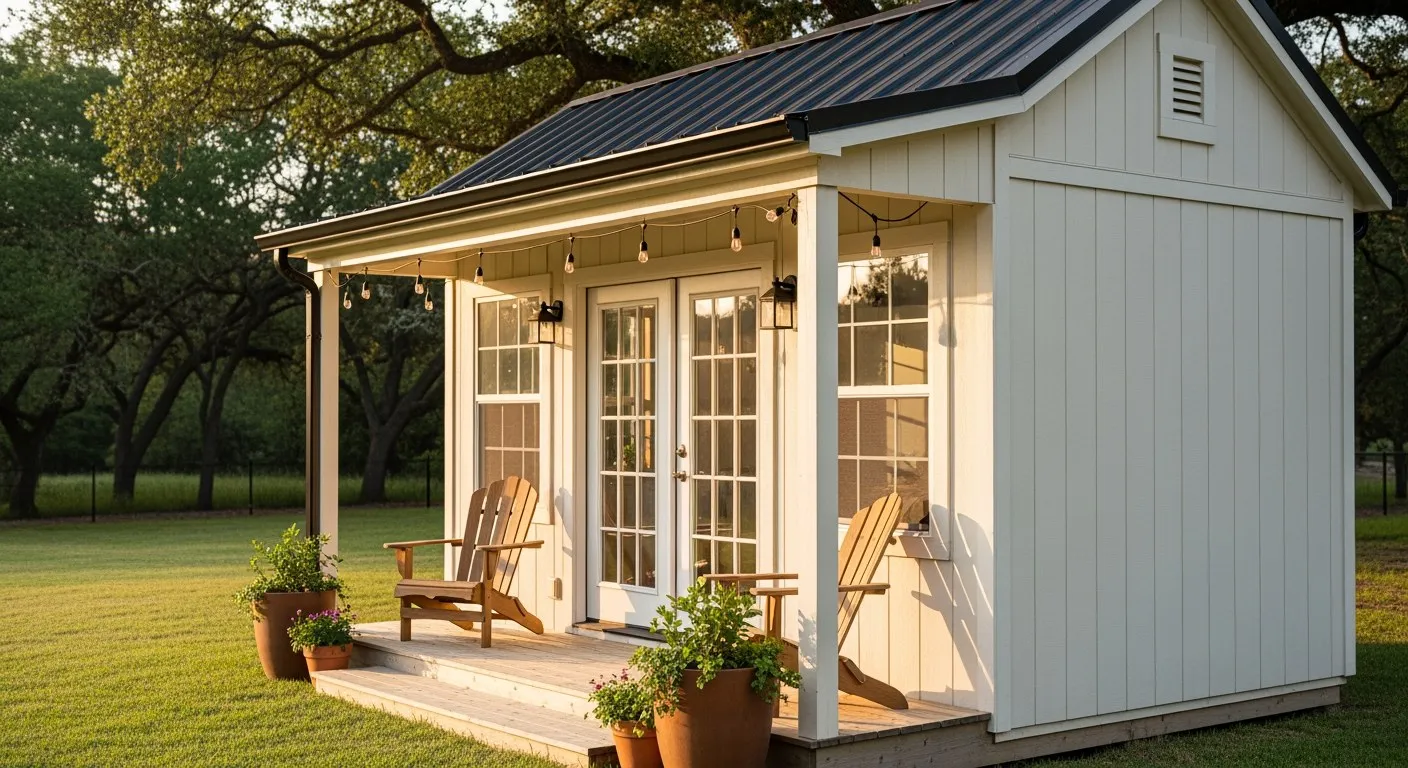
A she shed is more than a backyard building. It’s a boundary. It’s a door that closes. It’s the 60 square feet that are yours.
Whether you want a reading retreat, a yoga studio, a quiet workspace, or a potter’s studio with a kiln, this guide walks you through the whole decision — style, size, cost, permit, foundation, and 15 real she-shed ideas with photos, ballpark budgets, and the tradeoffs nobody tells you about.
Take the 60-second quiz. Find your shed match → — we’ll suggest a style, size, and foundation based on how you’ll use it.
What counts as a “she shed” (and what doesn’t)
A she shed is any backyard building used primarily as a personal retreat. The term started as a cheeky counterpart to “man cave,” but the category has grown up. What distinguishes a she shed from a plain storage shed:
- Conditioned interior — insulation, electric, often heat/AC.
- Natural light — windows, skylights, or glass doors.
- Finished surfaces — drywall or shiplap, flooring, baseboards.
- A single intended use — reading, art, yoga, writing, side business.
A tool shed with a chair in it is not a she shed. A 10×12 cedar building with insulation, a mini-split, three windows, and a cozy rug is.
She shed vs. regular shed: the quick comparison
| Feature | Storage shed | She shed |
|---|---|---|
| Primary use | Tools, mower, boxes | Personal retreat, hobby space |
| Insulation | None | R-13 walls, R-30+ ceiling |
| Electric | Maybe a single outlet | Multiple circuits, lighting, HVAC |
| Windows | 0–2 small | 3+ large, often with glass doors |
| Interior finish | Raw studs | Drywall, shiplap, or paneling |
| Foundation | Gravel pad | Gravel pad or concrete pier (frost-depth) |
| Typical budget | $1,500–$5,000 | $6,000–$25,000+ |
| Permit risk | Low (if under 120 sq ft) | Higher (electric + permanent foundation triggers) |
If you’re on the fence, our shed-type comparison tool lets you stack two builds side-by-side by cost, material, and lifespan.
How much does a she shed cost?
Real ballpark ranges for 2026, from our reader cost database and kit-vendor retail pricing:
| Build approach | Size | All-in cost (materials + labor) |
|---|---|---|
| DIY prefab kit (wood) | 8×10 | $3,200–$5,500 |
| DIY prefab kit (cedar) | 10×12 | $5,500–$9,500 |
| Prefab + pro install | 10×12 | $8,000–$14,000 |
| Custom build, insulated, electric | 10×14 | $14,000–$22,000 |
| Modern studio shed (ADU-adjacent) | 12×16 | $22,000–$40,000+ |
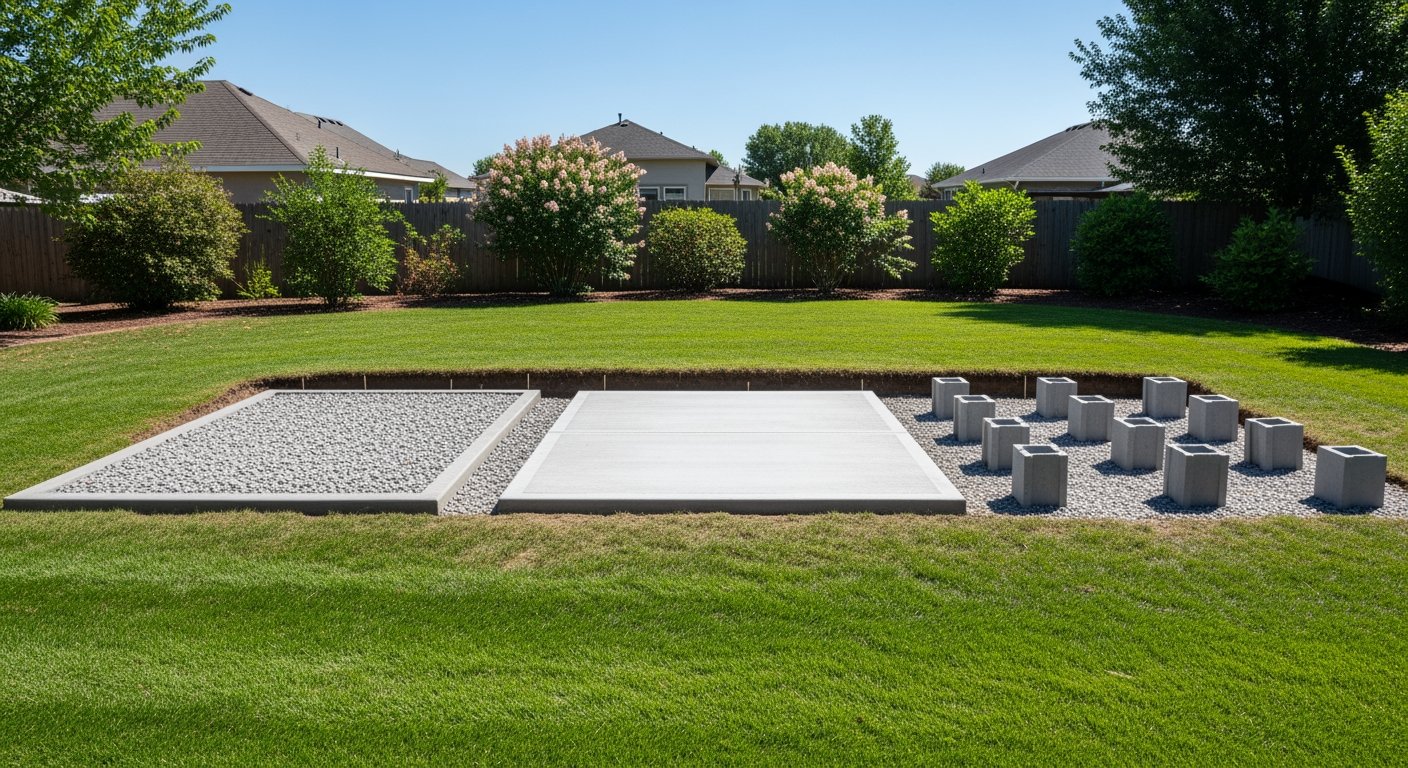
Add $1,200–$3,500 for foundation (gravel pad is cheapest, concrete slab or frost-depth piers are most). Add $1,500–$4,000 for a sub-panel + 3–4 circuits. Add $800–$2,500 for a mini-split HVAC unit.
Run your own numbers. Our foundation cost calculator gives you a climate-adjusted foundation estimate in 60 seconds, and the from-scratch calculator builds a full materials list for a custom build.
Choosing the right size
Start from what you’ll actually do in the space, not from what looks cute on Pinterest.
- 6×8 (48 sq ft) — Reading nook, meditation, single-person yoga. Fits one armchair, a floor mat, and a side table. Often permit-exempt.
- 8×10 (80 sq ft) — Art studio (one easel + supplies), small home office, craft table. Usually still permit-exempt under the 120 sq ft rule.
- 10×12 (120 sq ft) — The sweet spot. Comfortable for two people, sleep-sofa, desk, small kitchenette, or a writer’s loft.
- 10×14 (140 sq ft) — Dedicated studio (pottery, music, sewing) with separate work and relaxation zones. Usually requires a permit.
- 12×16 (192 sq ft) — Approaches ADU territory. Workshop with tool storage, or a small guest cabin.
Rule of thumb: take your ideal size, measure it out with painter’s tape in your backyard, sit inside for 20 minutes. Most people then either go one size up or one size down. The tape never lies.
Do you need a permit for a she shed?
Short answer: usually, if any of these are true.
- Over your jurisdiction’s permit-exempt footprint (commonly 120 or 200 sq ft, but as low as 64 in some cities).
- You’re running electric from your home panel.
- You’re adding plumbing.
- It’s on a permanent foundation (concrete slab, frost piers).
- You’re within your setback zone (usually 3–10 ft from property lines).
- Your HOA has outbuilding restrictions.
Skipping the permit when you need one is the single most expensive mistake in this category. Penalties range from stop-work fines to forced demolition, and unpermitted structures can tank your home’s resale.
Our full permit guide walks through how to check your local rules in about 20 minutes — including the exact phone call script that gets a straight answer from your building department.
15 she shed ideas, with real tradeoffs
These are the actual builds our readers send in. Each idea includes a budget range, size that fits, and the one thing nobody talks about.
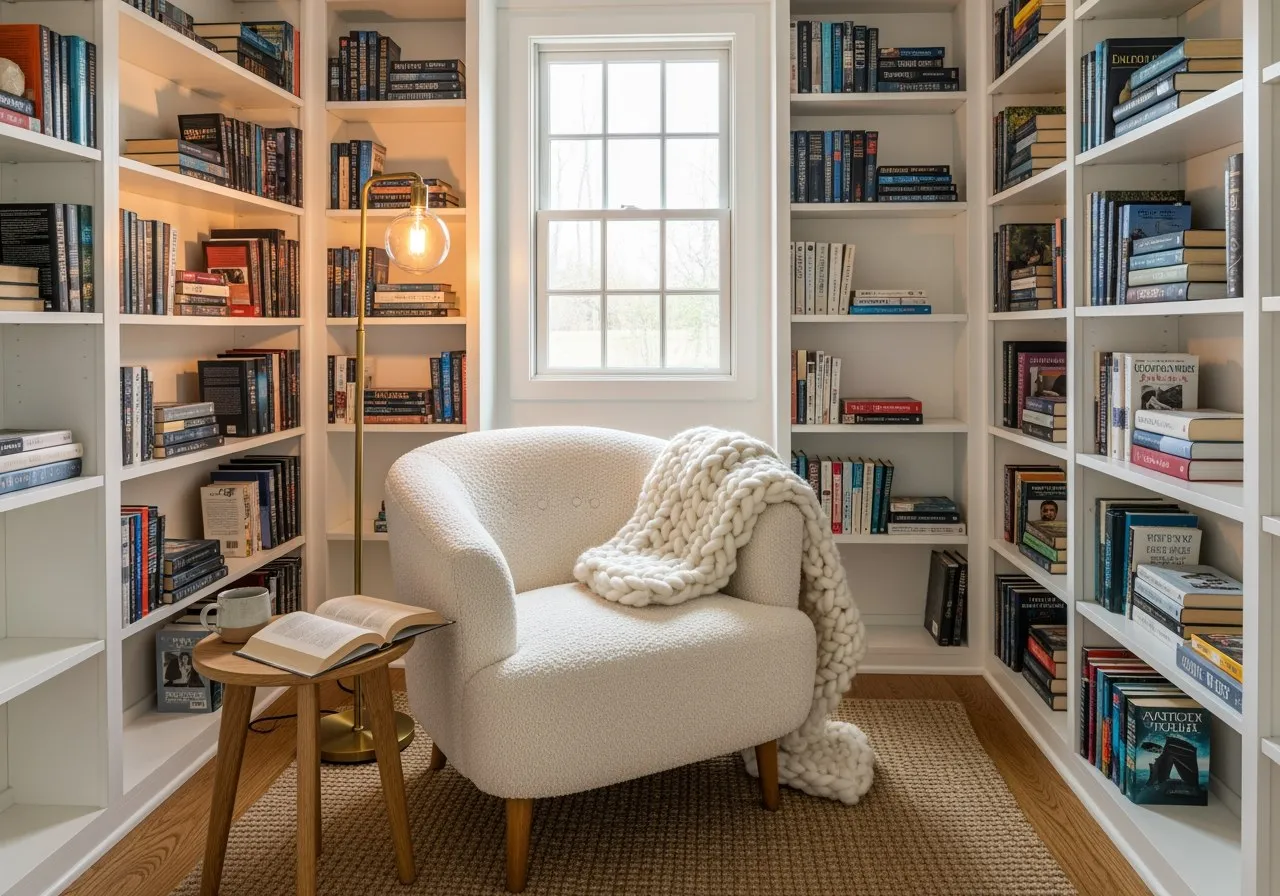
1. The Reading Retreat — $4,500–$8,000, 6×8 to 8×10
Built-in shelves on two walls, one oversized armchair, a reading lamp, radiant floor warmth. Windows face north to avoid sun glare on the page. Nobody tells you: the biggest upgrade is a wall-mounted mini-split HVAC, not a bigger bookshelf. Winter = heat or the shed goes unused Dec–Feb.
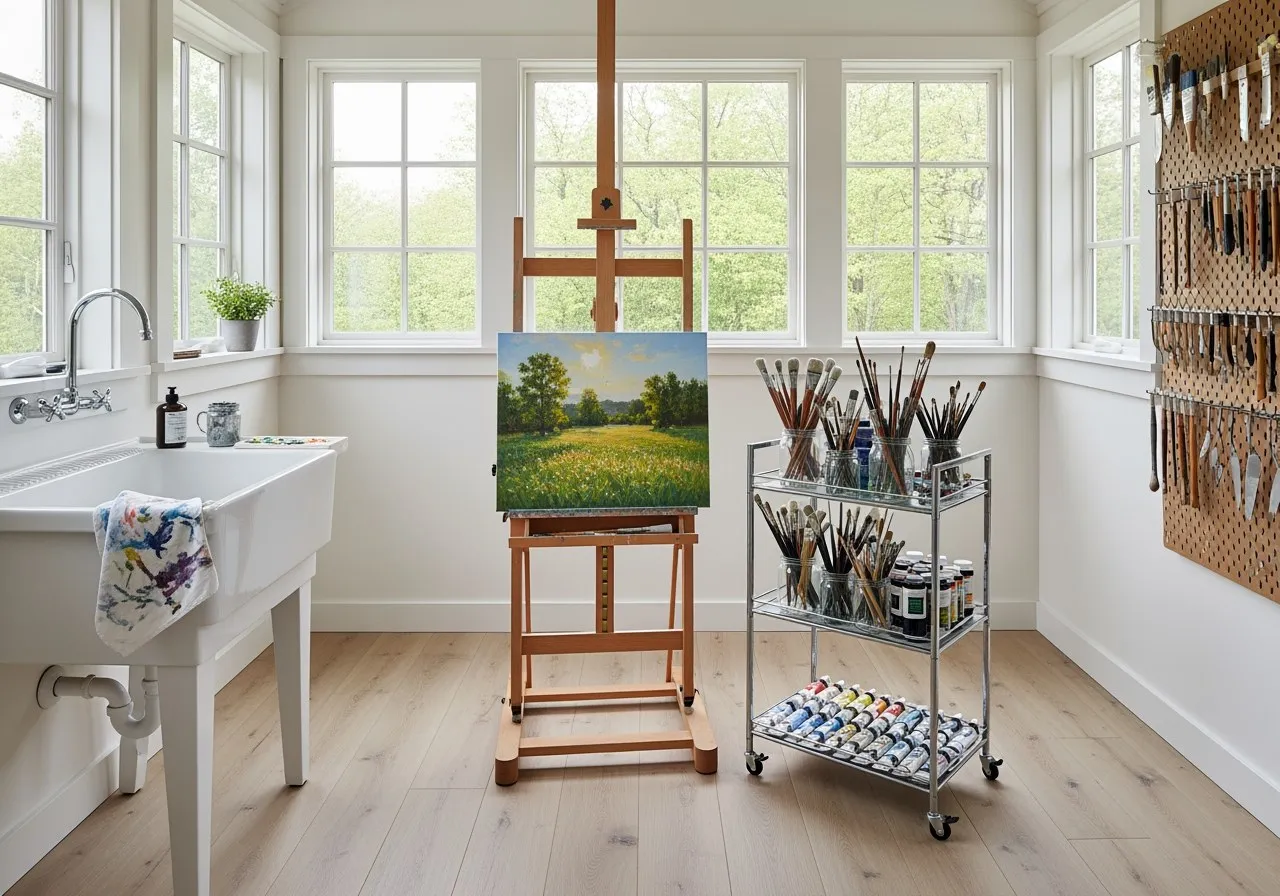
2. Art Studio — $7,000–$12,000, 8×10 to 10×12
North-facing windows for soft indirect light, washable LVP flooring, easel space, pegboard storage for brushes. A deep utility sink is the game-changer. Nobody tells you: solvent-based paints need real ventilation. Budget an exhaust fan or open-window plan, and check if your town requires a permit for storage of flammables.
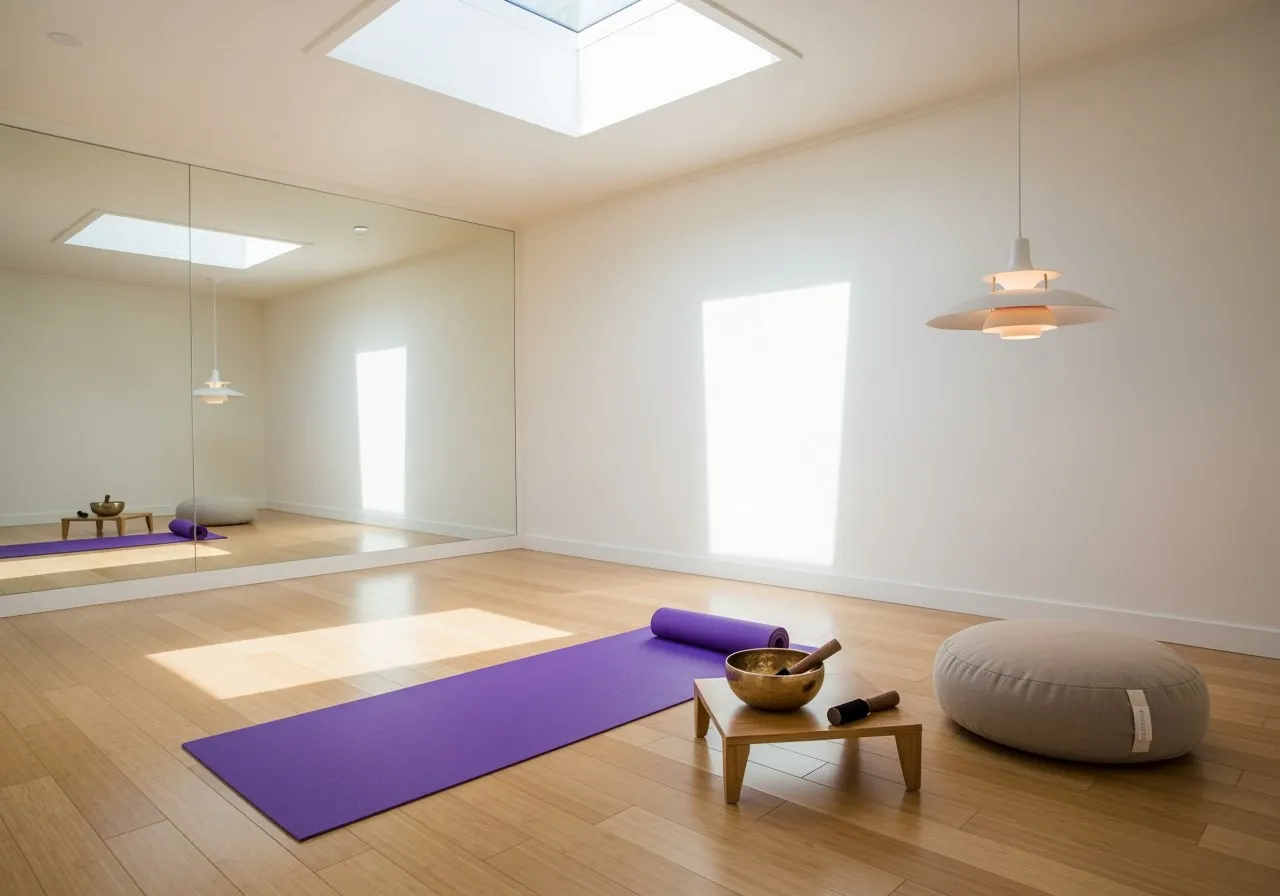
3. Yoga + Meditation Studio — $6,000–$10,000, 8×10 to 10×12
Bamboo or cork flooring, dimmable warm lighting, two walls mirrored, a small sound system, insulated walls for quiet. Nobody tells you: skylight humidity is a real issue in hot climates — single-pane skylights drip condensation in winter. Spec a double-pane skylight or skip it.
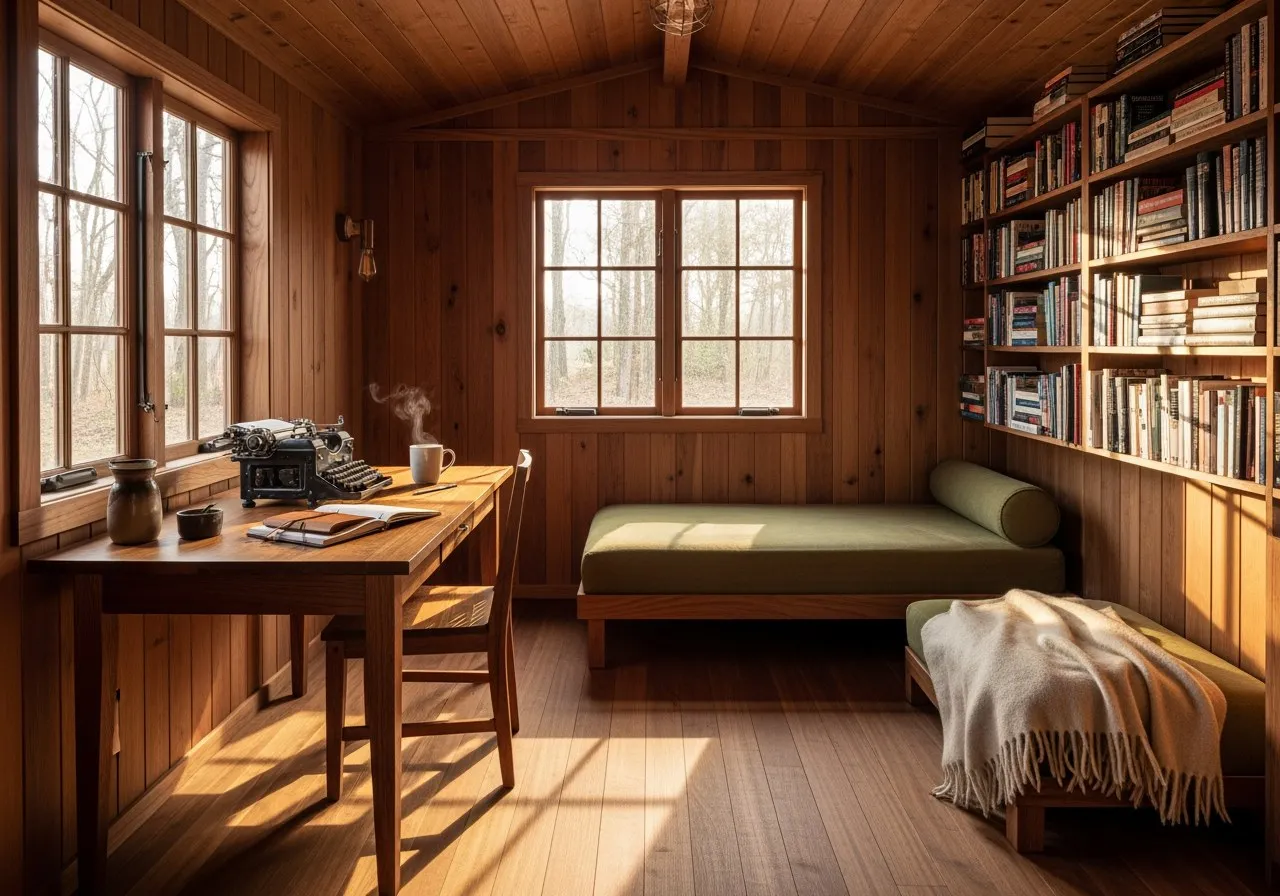
4. Writer’s Cabin — $8,000–$14,000, 10×12
Big desk under a window, a daybed against the back wall, built-in shelves, slow wifi on purpose. Nobody tells you: run cat-6 ethernet from the house, don’t rely on wifi range. You’ll thank yourself on the day you need to be on a video call.
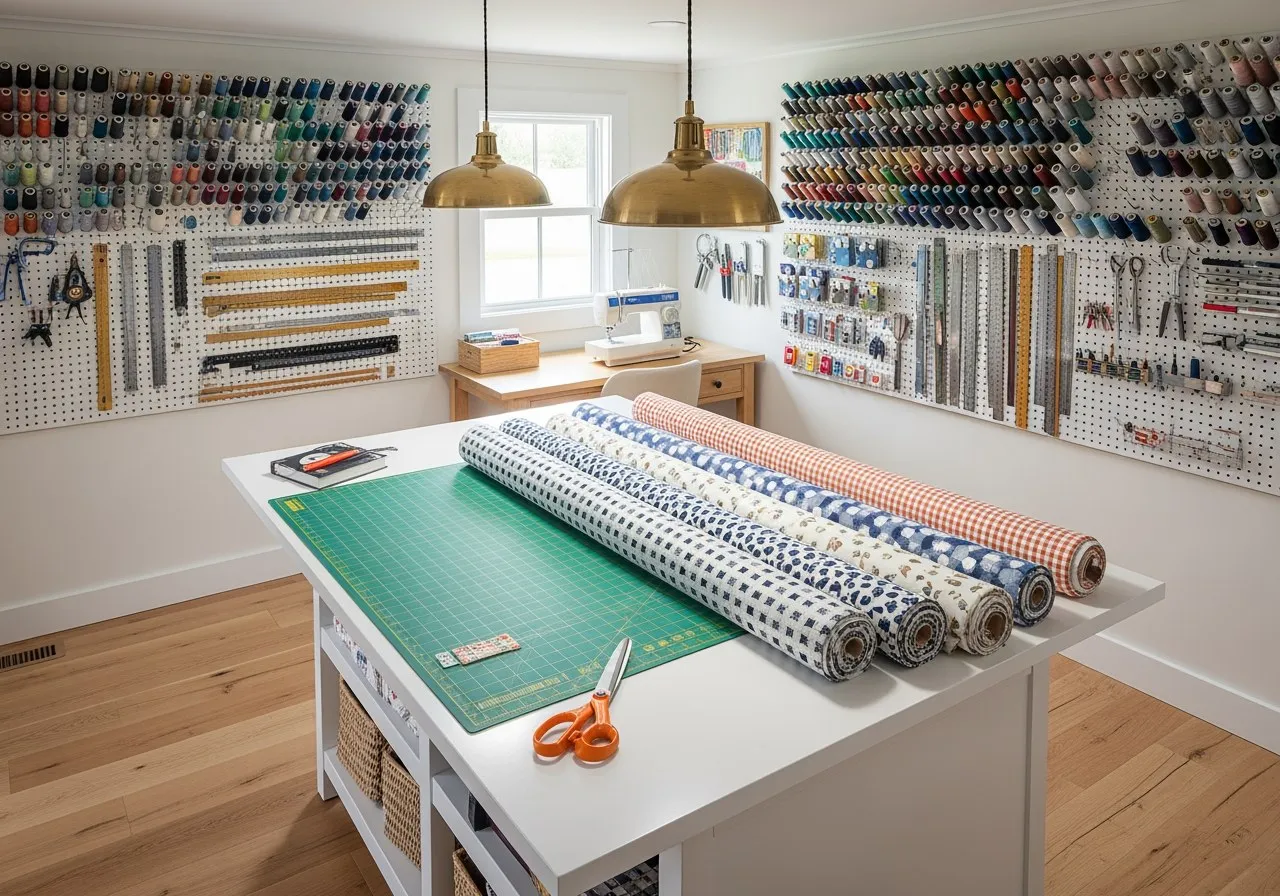
5. Craft / Sewing Room — $7,500–$13,000, 10×12
Long flat cutting table down the middle, pegboard walls, lots of task lighting, a dedicated power strip for sewing/embroidery machines. Nobody tells you: you need more outlets than you think. Spec two circuits (one for lighting, one for equipment) so a snagged thread doesn’t trip the whole shed.
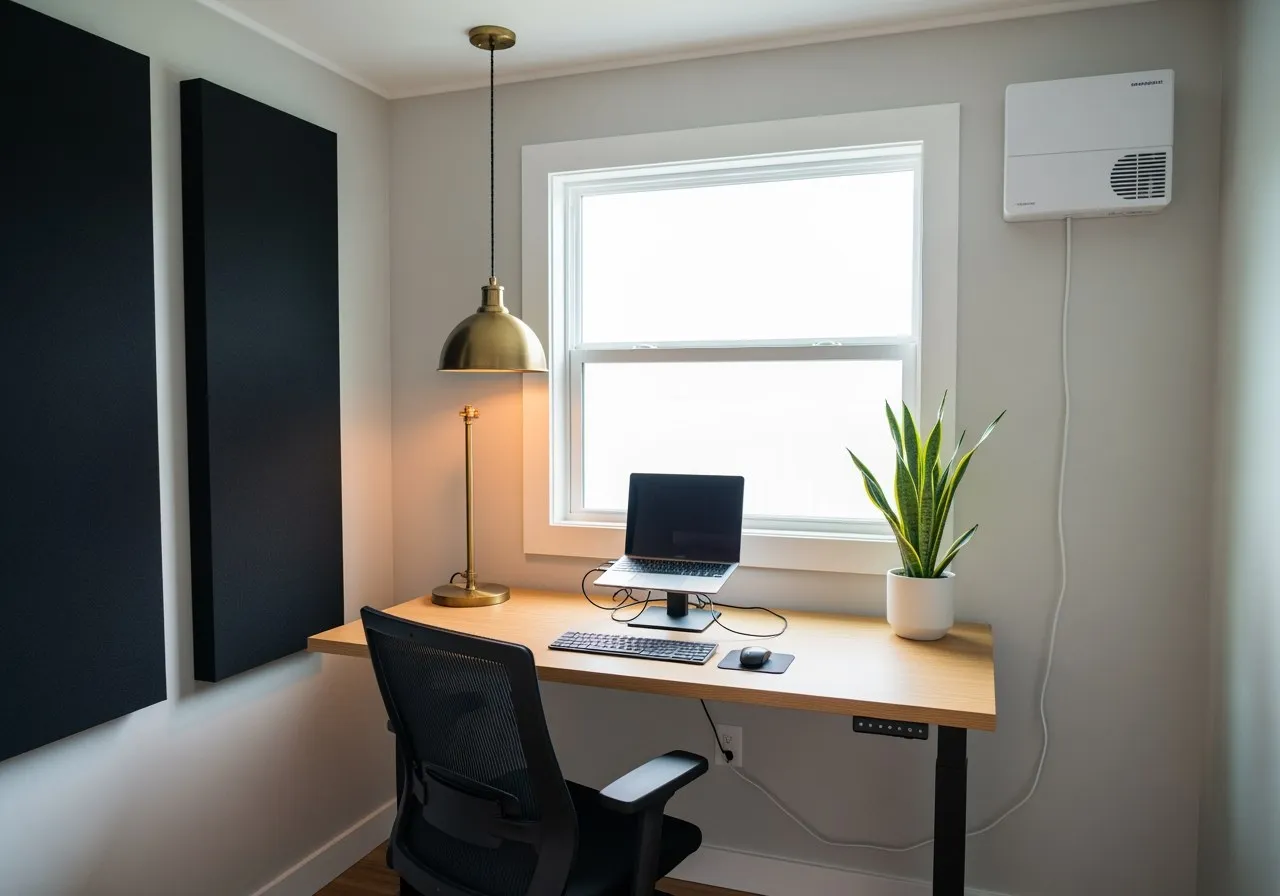
6. Backyard Office / WFH Studio — $10,000–$18,000, 10×12 to 10×14
Ergonomic desk, acoustic wall panels, mini-split HVAC, separate electrical circuit, insulated door for client calls. Nobody tells you: the IRS home-office deduction gets complicated when the office is a separate structure. Worth a conversation with your accountant before you build.
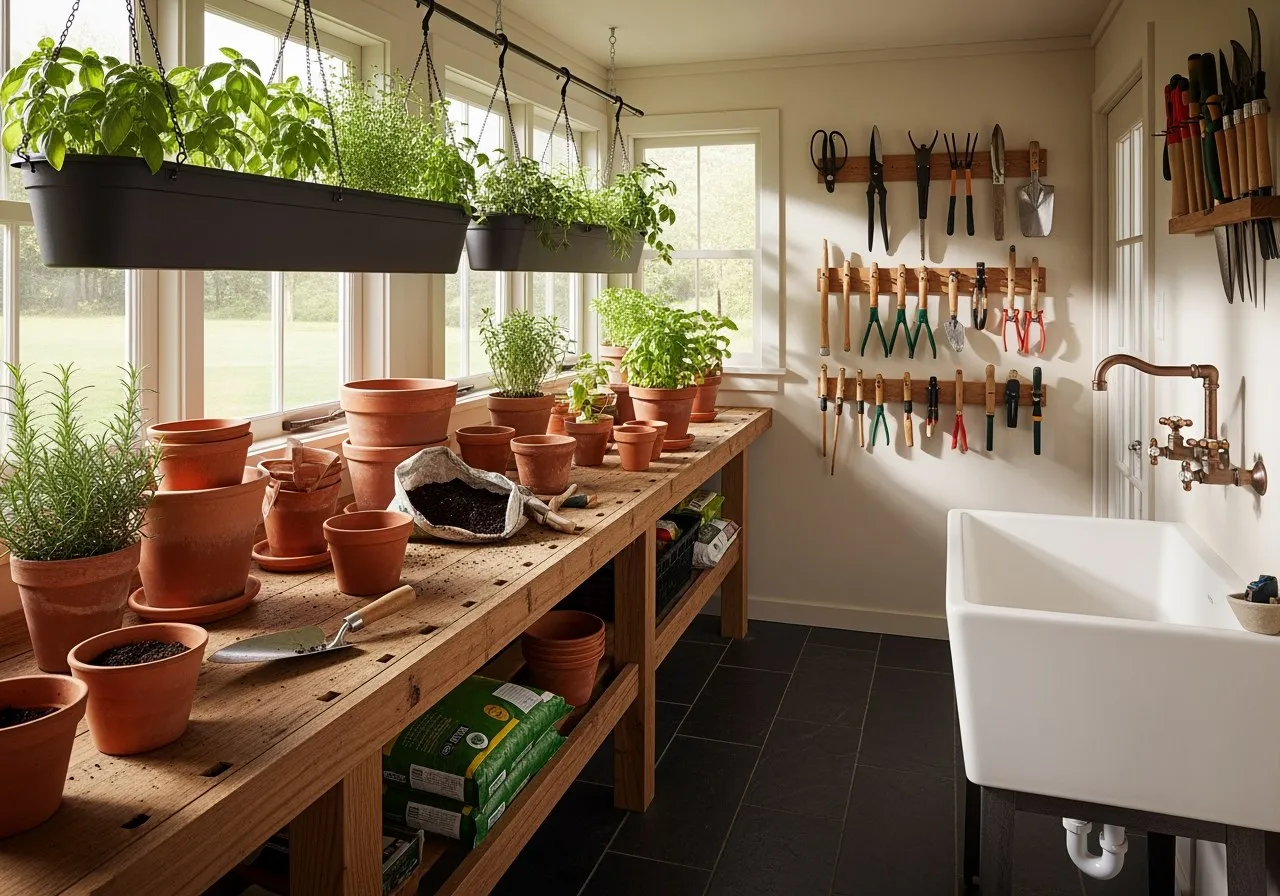
7. Garden Potting Shed — $5,000–$9,000, 8×10
Open south-facing windows, a tile or stone floor, utility sink with hot/cold, tool wall, a narrow work bench. Nobody tells you: a gravel pad inside the shed (for drainage under the potting bench) extends the life of your floor by a decade.
8. Music Studio — $12,000–$22,000, 10×12 to 10×14
Double-layer insulated walls, resilient-channel drywall, solid-core door, dedicated electrical circuit. Nobody tells you: true soundproofing (not just sound-reduction) doubles the wall thickness and bumps the cost 40%. Most backyard musicians pick “quiet enough for neighbors” over “studio-grade.”
9. Wine Bar / Tasting Room — $10,000–$16,000, 10×12
Climate-controlled interior (60–65°F, 60% humidity), built-in wine rack, bar-height counter, two stools, subtle lighting. Nobody tells you: climate control for wine means a through-wall AC or a small split unit running year-round. Electric bill climbs $40–$80/month in summer.
10. Potter’s Studio with Kiln — $14,000–$22,000, 10×12 to 10×14
Reinforced electrical (many kilns need 240V, 30–50 amp), tile or concrete floor, heavy ventilation, fire-rated walls near the kiln. Nobody tells you: kiln permits are often separate from shed permits. Your local building department may want a dedicated inspection for the 240V circuit.
11. Guest Cabin / Sleep Space — $15,000–$25,000, 10×12 to 10×14
Murphy bed or loft, small closet, tiny bath (if plumbing is run), HVAC, insulated windows. Nobody tells you: the moment you add plumbing, you’re often in ADU territory — different permit process, higher scrutiny, stricter egress rules.
12. Kid’s Playhouse Turned Teen Hangout — $3,500–$7,500, 8×10
Bright paint, a daybed, a small TV, lots of outlets, carpet tiles for comfort. Insulation added when it becomes a teen space. Nobody tells you: a small porch extension gives you “shoes off here” space and saves the flooring inside. Budget an extra $600–$1,200.
13. Home Bar / She Cave — $10,000–$16,000, 10×12
Built-in bar with draft lines (optional), mini-fridge, bar cart, speakers, string lights, ceiling fan. Nobody tells you: if you ever want to entertain inside on a rainy night, plan the layout for seating around the bar, not bench seating on one wall. People gather around bars.
14. Chicken + Gardening Shed Combo — $4,500–$8,500, 8×12
Split interior: 1/3 for chicken feed, tools, and enclosed roost access; 2/3 for garden potting and storage. Cross-ventilation is critical. Nobody tells you: predator-proofing is harder than you think. 1/4″ hardware cloth (not chicken wire) on every opening, and a buried 12″ skirt around the coop portion.
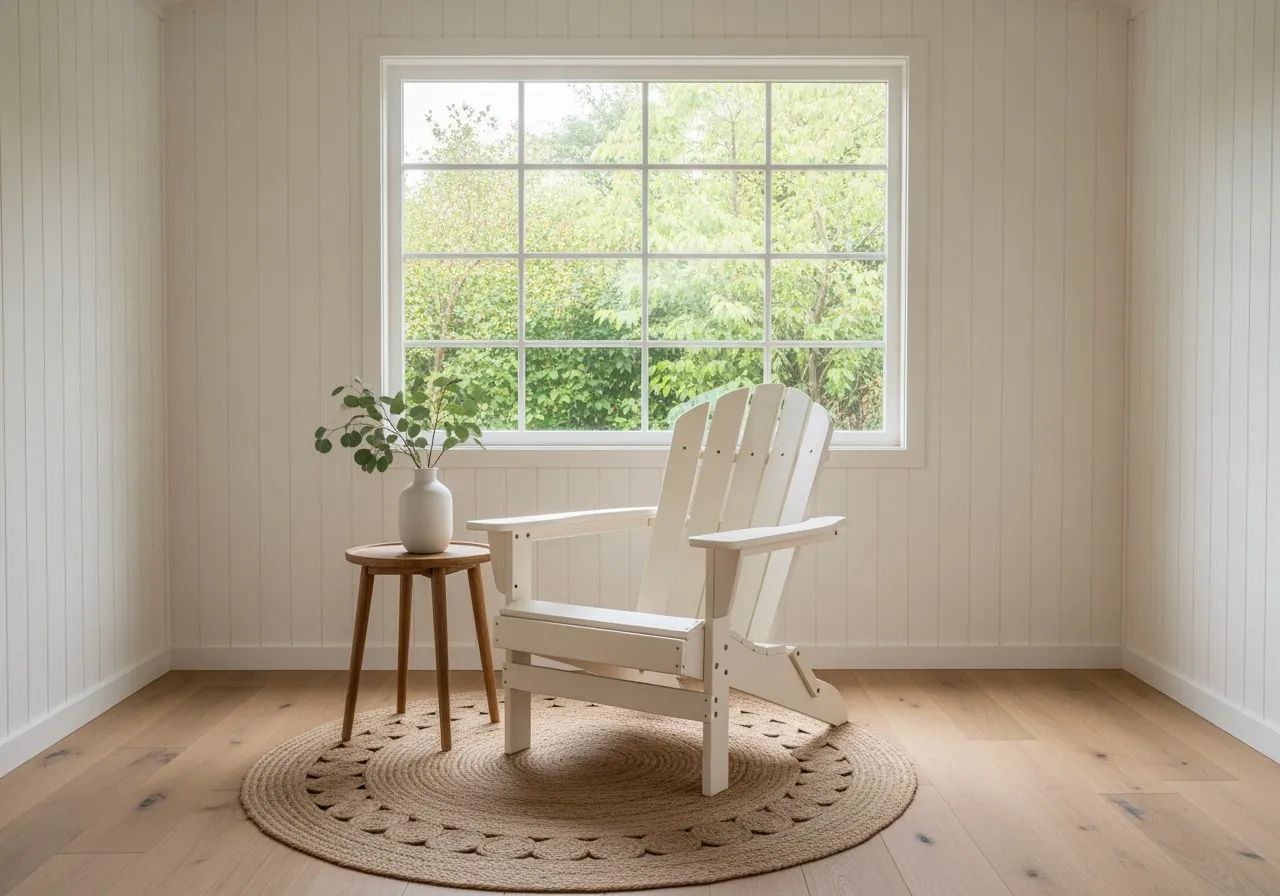
15. Pure Retreat — Empty and Beautiful — $6,000–$9,500, 8×10
One Adirondack-style armchair, a small table, a rug, warm-toned walls, huge windows. No desk, no TV, no wifi. Just light and quiet. Nobody tells you: this is the design most people end up with after six months in any of the above. If you’re already drawn to it, save yourself the iteration.
How to build a she shed: the practical sequence
- Check permits first. Before you buy anything. (Permit guide →)
- Pick your size and style. Tape it out in the yard. Sit in it.
- Pick your foundation. Gravel pad for permit-exempt sheds, pier or slab for bigger builds. (Foundation calculator →)
- Decide buy vs. build. Kit: 3–5 days, lower risk. Custom: 2–4 weekends, more flexibility. (Shed types comparison →)
- Run electric before you finish walls. Rough-in every outlet, circuit, and lighting box. Inspector signs off, then drywall.
- Insulate. R-13 walls, R-30+ ceiling. Vapor barrier on the warm side.
- Finish interior. Drywall or shiplap, floor, baseboards, paint.
- Move in slowly. Live with the space before you commit to built-ins. What you wanted on day 1 is rarely what you want on day 60.
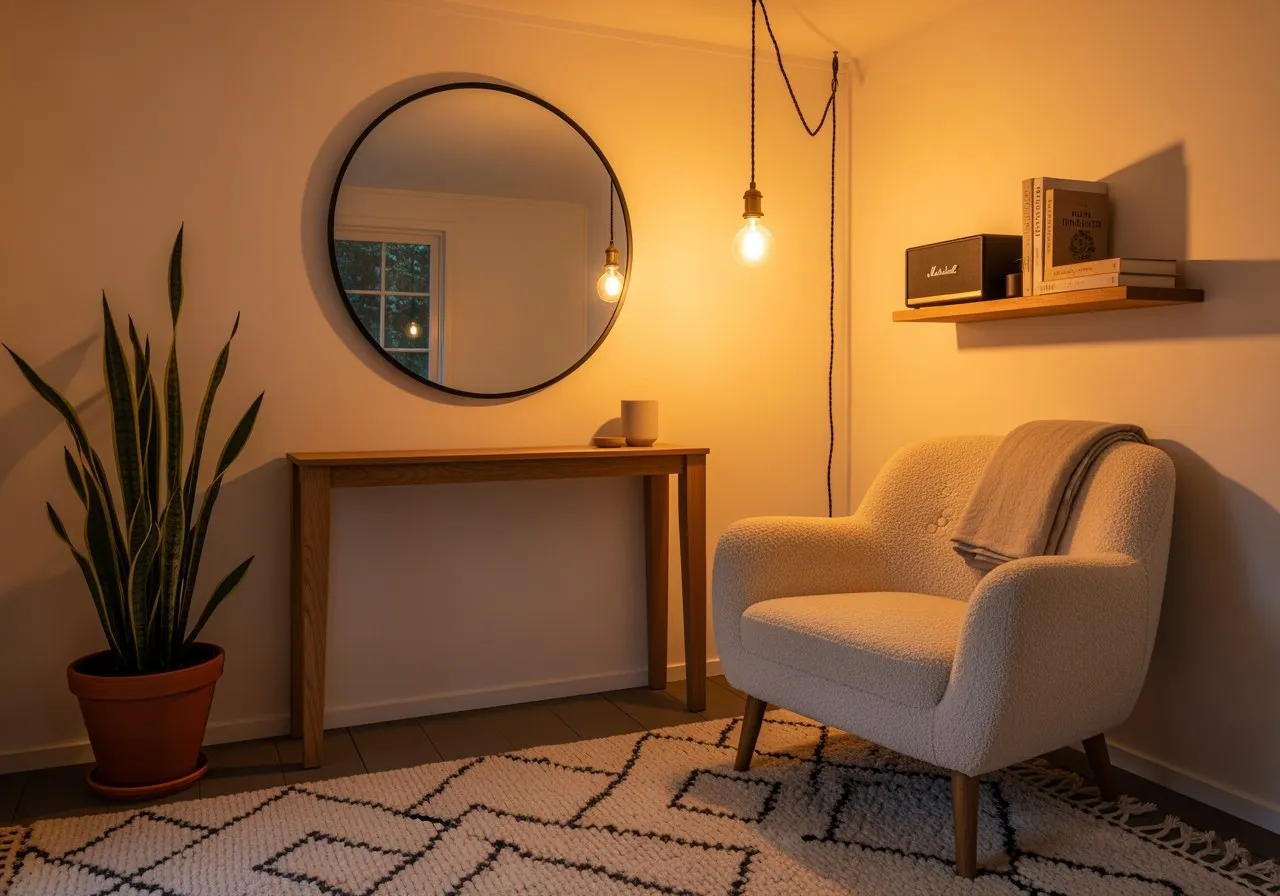
The decorating checklist
Once the shell is done, the fun starts. In this order:
- Lighting. Warm-temp bulbs (2700K), layered — one overhead, one task, one accent.
- Floor. LVP is the most forgiving. Cork if you want warmth. Carpet only in dry climates.
- Window treatment. Sheers for privacy + light. Layer with blackout if you’ll nap or film.
- Rug. One real rug — it anchors the space more than any other piece.
- One statement piece. An oversized mirror, a bold chair, a painting. One. Not three.
- Plants. Skip if you don’t water them. Real or fake — but pick one and commit.
- Sound. A small Bluetooth speaker changes the whole mood.
The five mistakes we see most often
- Undersizing to save money. A 6×8 retreat with two people in it is a cage. Size up.
- Skipping the mini-split. A shed with no HVAC is a three-season space, not a year-round one.
- Buying pretty furniture before dealing with the roof / insulation. Fix the envelope first.
- No permit check until after delivery. Stop-work orders cost thousands.
- Treating it like a guest house when it’s actually a storage shed with a rug. Commit to the use case.
What comes next
If this article made your build feel more doable, take these three actions:
- Take the 60-second shed quiz. It’ll suggest the size, style, and foundation type that fits your answer in under a minute.
- Run a foundation estimate. The foundation calculator gives you a climate-adjusted cost for gravel, slab, and pier — in real dollars.
- Check your permits. Don’t build anything until you know your town’s rules. (Permit guide →)
A she shed isn’t expensive because sheds are expensive — it’s expensive because every decision you defer to “later” gets fixed at 3x the cost. The people who end up loving their sheds are the ones who planned the boring stuff (foundation, permits, electric) before the fun stuff (paint color, bookshelves, string lights).
You’ll get there. Start with the quiz.
Last updated 2026-04-18 by the ShedScout team. Costs reflect 2026 national averages and vary by region. All internal tools are free — we don’t sell sheds.